

Can Fashion Journalists Compete with Influencers?
By Elizabeth Beggan
In this new digital day and age, fashion influencers have stormed the streets and feeds with reviews that sell out products within hours. With the rise of apps like TikTok and Instagram paired with the decline of print media, are we surprised that influencers take the reins on reporting? What was once dominated by glossy front pages and snappy headlines is being eclipsed by influencers in this digital age.
The digital age has altered the way we consume journalism and media, blurring the lines of what constitutes a professional journalist from an influencer. The shift of consuming media through journalists to influencers raises questions about where fashion journalism is headed and how traditional media outlets adjust to the ever-changing landscape.
Before the digital age, print magazines were the undisputed beacons of fashion. Titles like Vogue, Elle, and Harper’s Bazaar were praised for their exclusive inside scoops on fashion dos and don’ts. Everything printed about trends, culture, and translating what was on the runway for readers was heavily curated and precise. Names like Anna Wintour, Grace Mirabella, and Robin Givhan were the original influencers, molding the industry into what it is today. Fashion journalists shaped the public's perception of how consumers viewed the industry, trends, designers, and style.
Fashion journalists captured culture; they were pioneers in setting trends, giving designers their start, and where fashion history was recorded. The pages held power; subscribers eagerly awaited opening their mailboxes to Vogue, which in turn opened the door to inspiration. Fashion is an unavoidable force that affects a person regardless of whether they follow trends or not. The plain plaid shirt a person wears was meticulously placed there by industry trends and those who dictate them.
Social media has the power to spark protests, give undeserving people platforms, find cat killers, and now, birth the ultimate fashion influencer. Fashion influencers are creators who have built a large following based on their own opinions, outfits, trend predictions, and makeup routines. Through social media, they’re able to connect with audiences on a more humane level and dismiss the exclusivity that the fashion industry once had.
Influencers have inevitably caught the attention of young viewers, and what they say goes. In 2023, Katie Fang entered the race with her makeup routines and story times using products by Charlotte Tilbury and Drunk Elephant. Days later, the items on the shelf were rampaged and sold out for weeks on end. The sell-out just represents the majority. Fashion brands have collaborated with influencers with million-dollar deals to push their products to social media users. The seats that were once saved for journalists are now being overcrowded by their competition: influencers.
Many positive outcomes have emerged from the rise of influencers. Influencers have confronted the diversity and inclusion aspect of fashion, or lack thereof. For centuries, fashion was flooded with the thin, “cocaine Kate” body archetype. Now, influencers have pushed for greater diversity within the industry, opening opportunities for truly anyone. And in return, brands have since then tailored to all kinds of audiences and included more diversity in their campaigns.
The shift has challenged traditional fashion journalism, and the rise of influencers doesn’t mean that fashion journalism is dead, but it does require a new approach that keeps them relevant. Media outlets have to now take the creator-driven ecosystem into account when pushing content.
V Magazine Intern Araceli Olaechea Landa claims, “social media engagement and trends keep magazines alive.” The magazine has shown that they would rather follow the internet trends instead of starting them to keep their Gen Z audience satisfied.
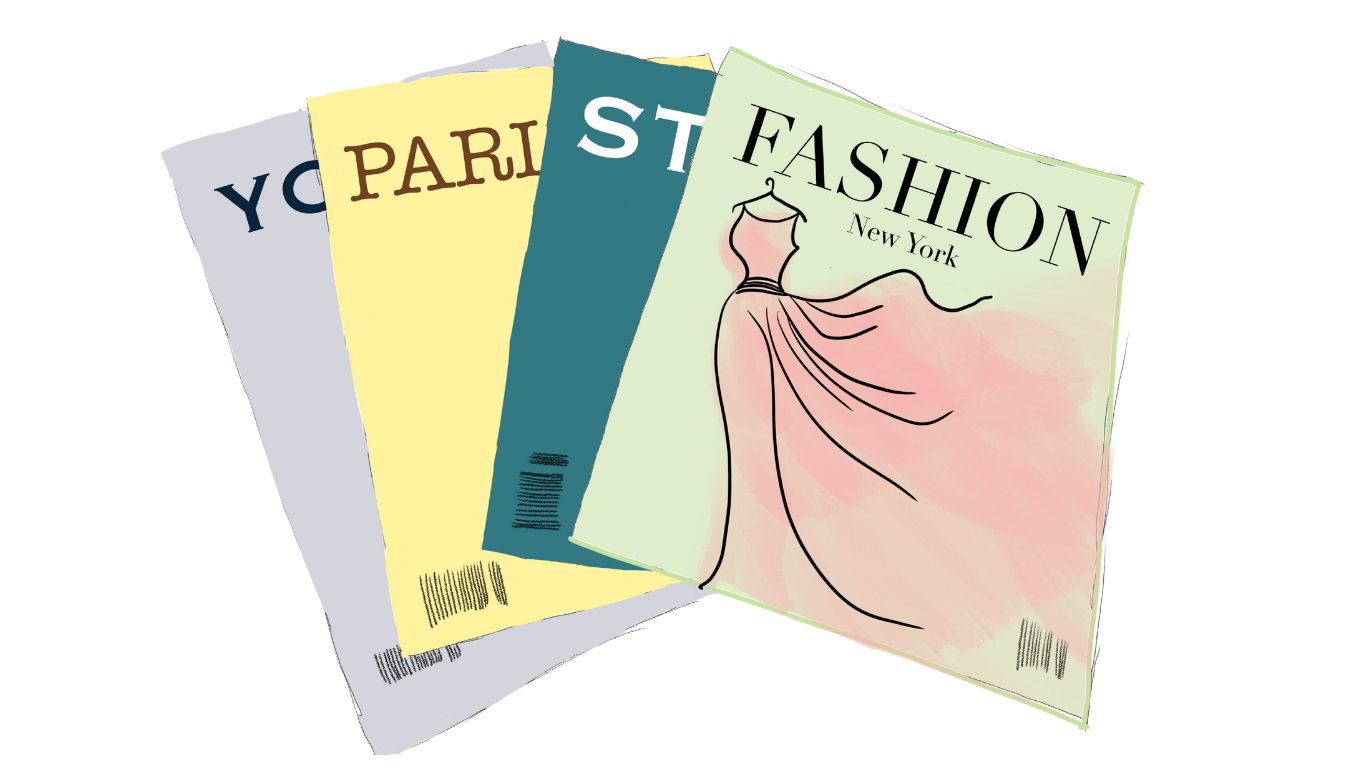
Illustrated by Hannah Bell
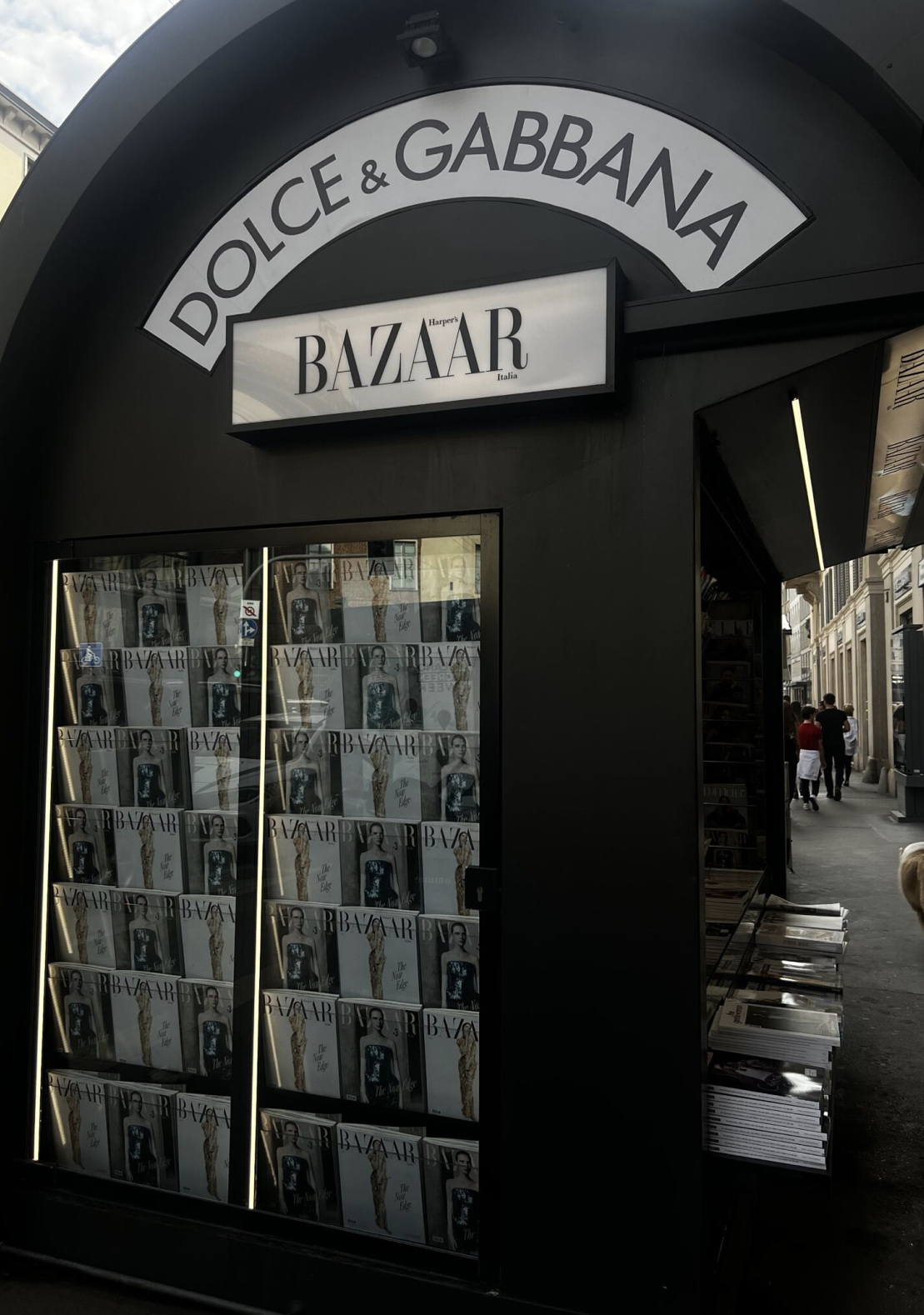
Vogue has incorporated social media and influencers into their domain effortlessly. They have established a flourishing YouTube account where they embraced collaborating with influencers to increase views. Famously, Vogue has hosted the Met Gala and, in recent years, collaborated with influencer Emma Chamberlin as their sole interviewer. As well as YouTube, Instagram is their most successful social media account with 51.6 million followers.
A defining difference between the two is immediacy. Before social media and the rise of influencers, it took weeks and even months for trend information to trickle down to readers. Followers wanted to dress like Mia Farrow, and Vogue would translate the looks from the screen to your closet over time. Now, when someone wants to dress like Gigi Hadid, TikTok can tell you how to do it in under 30 seconds.
While trends used to take weeks to produce from magazines, social media allows anyone to determine trends themselves. Influencers have single-handedly mastered accelerating the trend cycle.
Viewers are easily malleable, and brands exploit this attitude. The new unreleased Glossier perfume was endorsed by influencers on TikTok, and before buyers could even smell it, viewers bought it without hesitation. Why? Because an influencer in a 15-second ad told them to.
Fashion media has restyled itself dozens of times. As digital media continues to flourish and new voices arise, the landscape will keep transforming. Both fashion influencers and traditional fashion journalists are learning to intertwine with one another while captivating audiences.
Both traditional journalism and influencers can co-exist in the same industry. While influencers satisfy the need for immediacy, traditional journalism provides a sense of precision and context. The tension between the two isn’t necessarily a bad thing, but instead, forces the industry to confront what really makes someone an expert. Journalists dipping their toes into the pool of social media with their industry expertise is what can keep the competition even.
Journalists bring more institutional knowledge to the conversation; they can read a runway show and read a comment section. They’re now learning how to understand both languages without compromising their values. The symbiotic relationship between journalists and influencers is a continued learning curve, with the future of fashion journalism existing fluidly.
